Learn how commercial scaffolding keeps sites safe with stable structures, guardrails, safe access, and adherence to UK safety laws-protecting workers and projects alike.
Risks on a busy site and how scaffolding helps
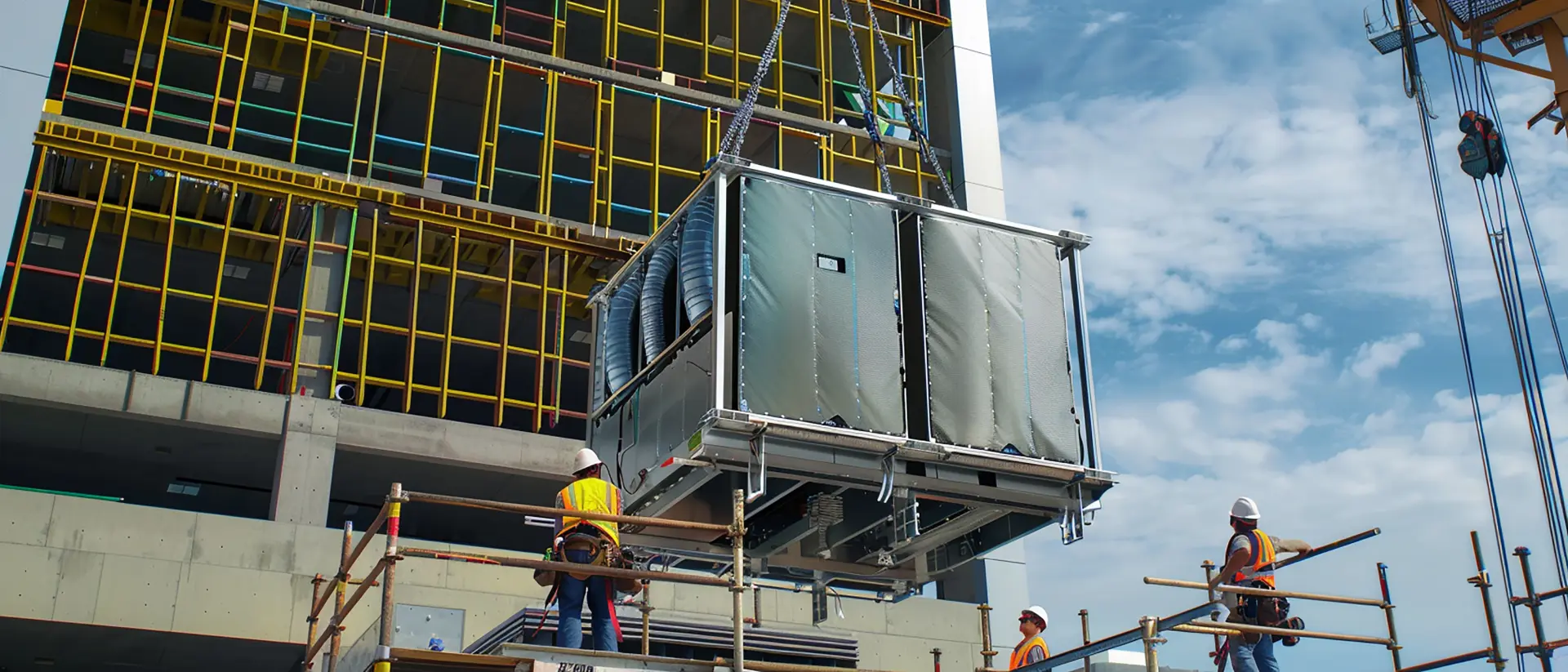
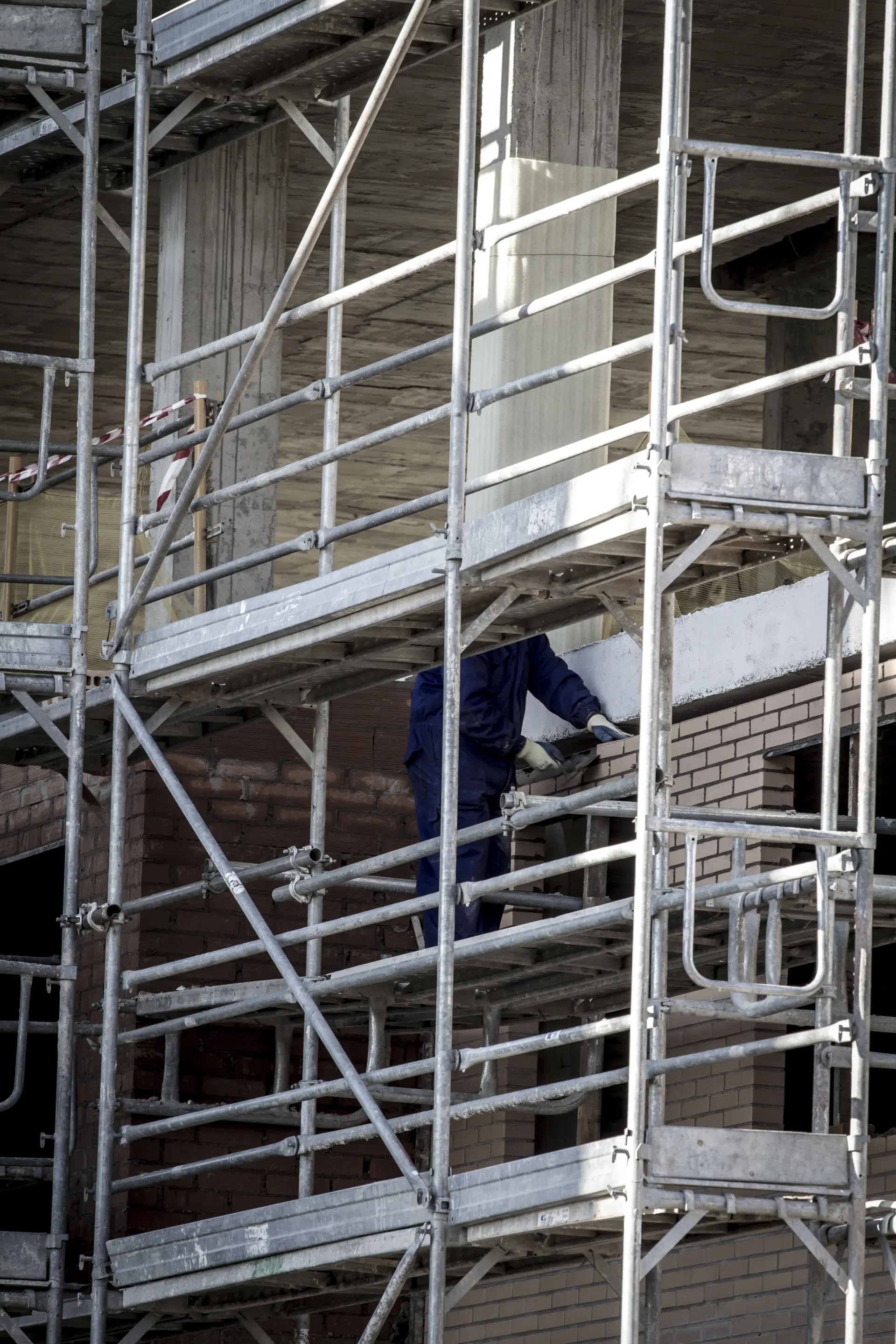
Busy building sites bring many risks, especially when people work at height. Moving vehicles, lifting gear and changing ground levels can all lead to a number of slips, trips and falls. Not only that, but loose tools and materials can also drop from above and hurt someone below. A well-planned scaffolding structure will help you eliminate these risks by creating firm, level platforms where people can work safely.
Clear, wide platforms allow tradespeople to work without standing on makeshift steps or narrow ledges. Safe walkways guide your movement, so your workers aren't forced into any unsafe routes. Planned loading bays keep all your heavy materials in set places, and this lowers the chance of major collisions and strain injuries.
Weather can make work unsafe if surfaces become wet or if windy conditions increase. Proper scaffold boards and secure fixings help keep the footing steady, and debris netting and protective screens are great ways to stop small items from falling. Protective platforms below the work area can also catch anything that does slip.
Good planning with scaffolding improves the flow of people and materials through a site. When access is simple and stable, it makes it easier to finish jobs faster and with fewer mistakes. When workers are not rushed or blocked, they make safer choices. Safe systems prevent risk rather than trying to fix problems later.
UK rules you must follow for safe scaffolding
UK law makes safety at height a clear duty for everyone involved. The Work at Height Regulations 2005 require careful planning and proper control of risks. These rules state that you must avoid any work at height wherever you can, and limit the risks when it cannot be avoided. They also require suitable equipment and safe systems of work.
The CDMR (Construction Design and Management Regulations) 2015 sets roles and duties for clients, designers and contractors. Designers must think about how the scaffold will be used, maintained and removed, so that the process can be seamless. Contractors must plan the work, supply the right equipment and coordinate trades. Complex scaffolds that are not standard patterns need a design by a qualified person.
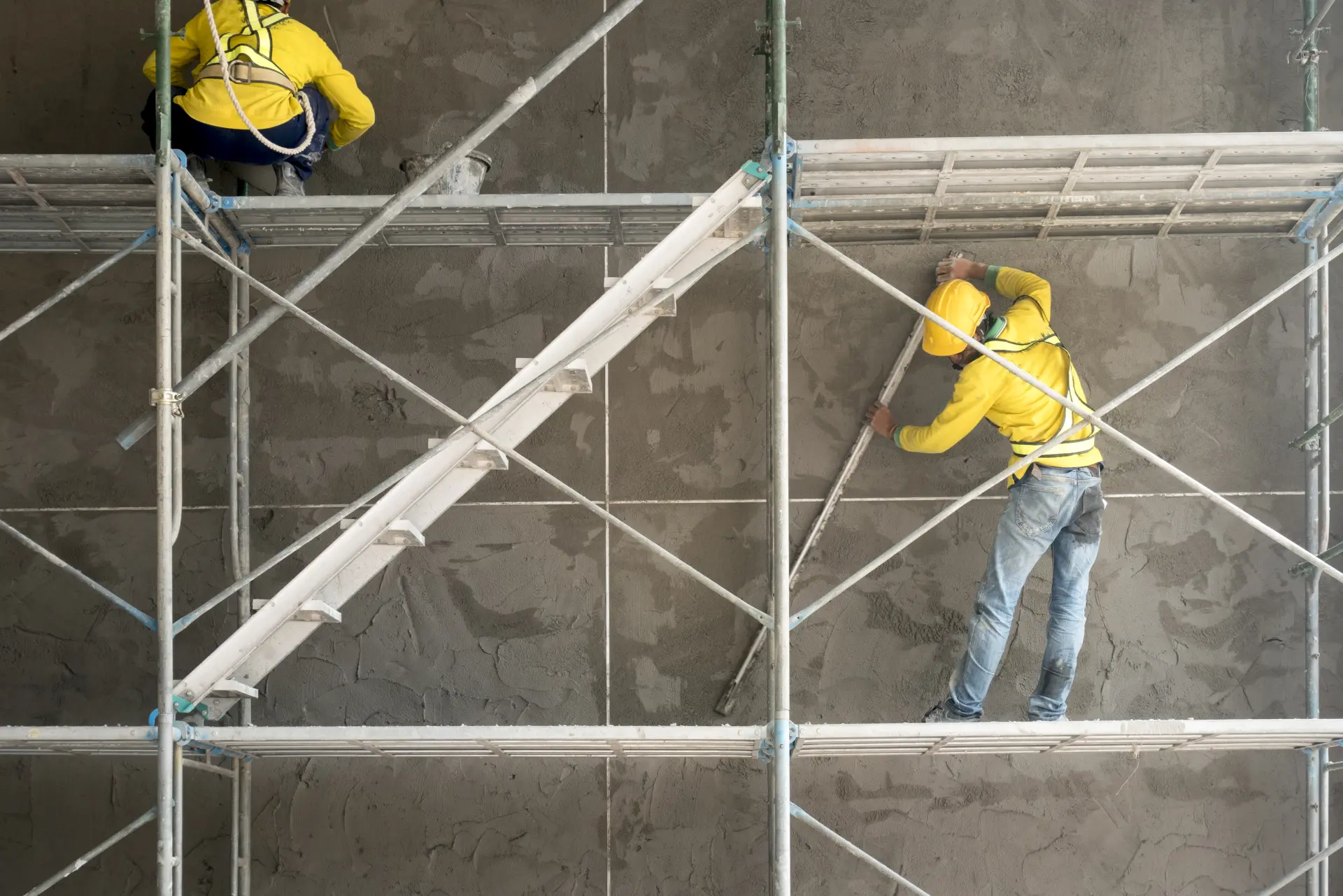
Frequent inspections are needed before the first use of your scaffolding, at least every seven days, and after any change or severe weather. Records of these checks must be kept on site. A simple tag system at each access point helps show if the scaffold is safe to use. If the tag is missing or says not to use, the scaffold must stay closed.
Competence matters for everyone who erects, changes or takes down scaffolds. Trained and supervised workers must follow the manufacturer’s advice or a recognised standard. Clear site rules should always cover the loading limits, access, and protection of the public. When a scaffold is beside a footpath or road, extra barriers and signs may be needed.
Scaffold designs that put safety first
Good design starts with the ground and the base of the scaffold. Stable foundations, sole boards and base plates spread the load and stop sinking. Drains, soft soil and nearby basements must be considered, as every safe scaffold begins with a solid footing.
Strong bracing and secure ties keep the scaffold steady under work and wind. Ties fix the scaffold to the building or a suitable structure at planned points. Braces run in both directions to stop sway and twist. When the shape is unusual or the height is great, an engineer should check the design.
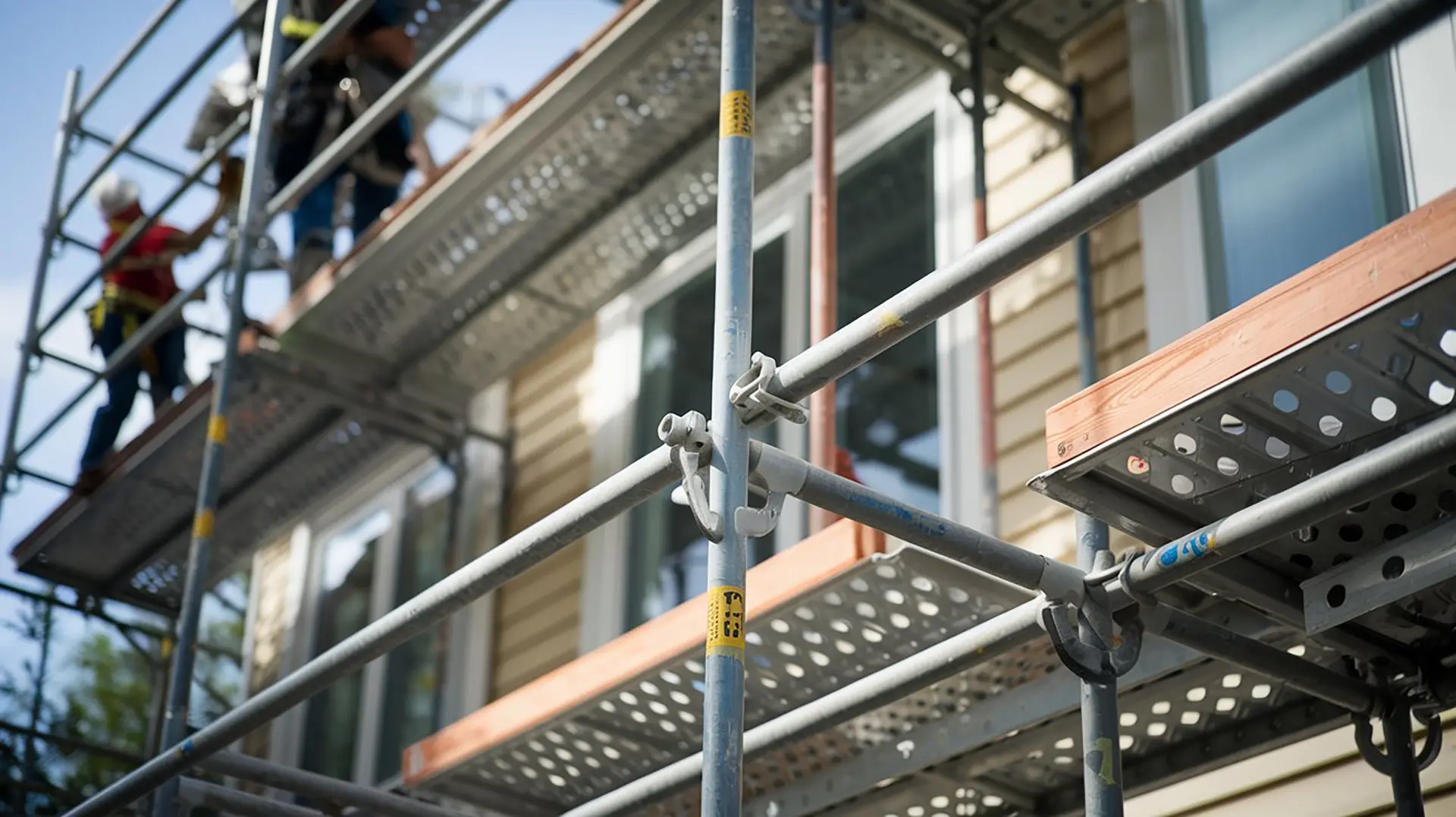
Well-built platforms use full-width boards with no gaps where feet could catch. All boards must be completely fixed or restrained so they cannot move. Clear headroom helps workers carry materials without striking anything. Marked loading bays are the best way to show where all your heavy items can be stored safely.
Extra safety features can be added when the site demands more protection. Debris netting, brick guards, and sheeting help contain tools and dust. Hoists and lifts reduce the need for any manual handling and cut the need to carry heavy items up ladders. You must set out plans for rescue and safe dismantling before any work.
Safe access ladders and stairs
Safe access is part of the scaffold design, not an afterthought. People need a simple route to every working level. Internal ladders or stair towers are usually the safest choice, whereas external leaning ladders should be avoided for secure access.
Fixed ladders must be tied, set at a safe angle and extend above the landing so hands can hold on when stepping off. Rungs should always be clean and in the best possible condition. Only one person should climb each ladder at a time. Tools should be carried in a belt or lifted by rope to keep your hands free.
Stair towers suit much busier sites where many people need to reach higher levels. Even non-slip treads and handrails on both sides help prevent falls.
Landings at sensible heights allow people to rest and pass one another. Good lighting makes every step clearer in low light, and all ladders and stairs must be kept clear of hoses, cables and loose materials.
Any damaged parts should be removed from use and marked for repair. Workers should always face the ladder, maintain three points of contact and avoid any rushing. Make sure to follow these simple rules to prevent numerous accidents.
Guardrails, toe boards and edge protection
Edge protection stops people from falling and stops your tools from dropping off the sides. All guardrails run along the edge of every platform where there may be a risk of falling. A second rail between the main rail and the platform limits the gap, and toe-boards at the platform level also stop materials from sliding off.
Installation should cover all open sides, ends and openings, including around access points. Rails should return around corners so there are no weak spots. Joints must be secure and able to resist push or pull from normal work. Lots of checks are needed throughout this process to ensure your fixings stay tight.
Extra barriers help where small items are used near the edge. Brick guards or mesh panels stop small tools and materials from slipping through gaps. Gates at ladder openings should close on their own and be easy to use. If you're working where the public is nearby, make sure to cover walkways or place fans beneath the work area for added protection.
Ongoing checks confirm that the guardrails and toe-boards will remain in place as the job changes. Any removed section must be replaced before work restarts. Clear signs should remind people not to move edge protection without permission. A tidy platform with sound rails is one of the most effective safety measures on any site.
We do all we can to supply you safe scaffolding systems, useful platforms and accessories for your building project. All our systems are backed by TG20:21 compliance, so you can trust that you're in safe hands. Give us a call today for Commercial Scaffolding Rental in Newcastle, Durham and Cramlington.