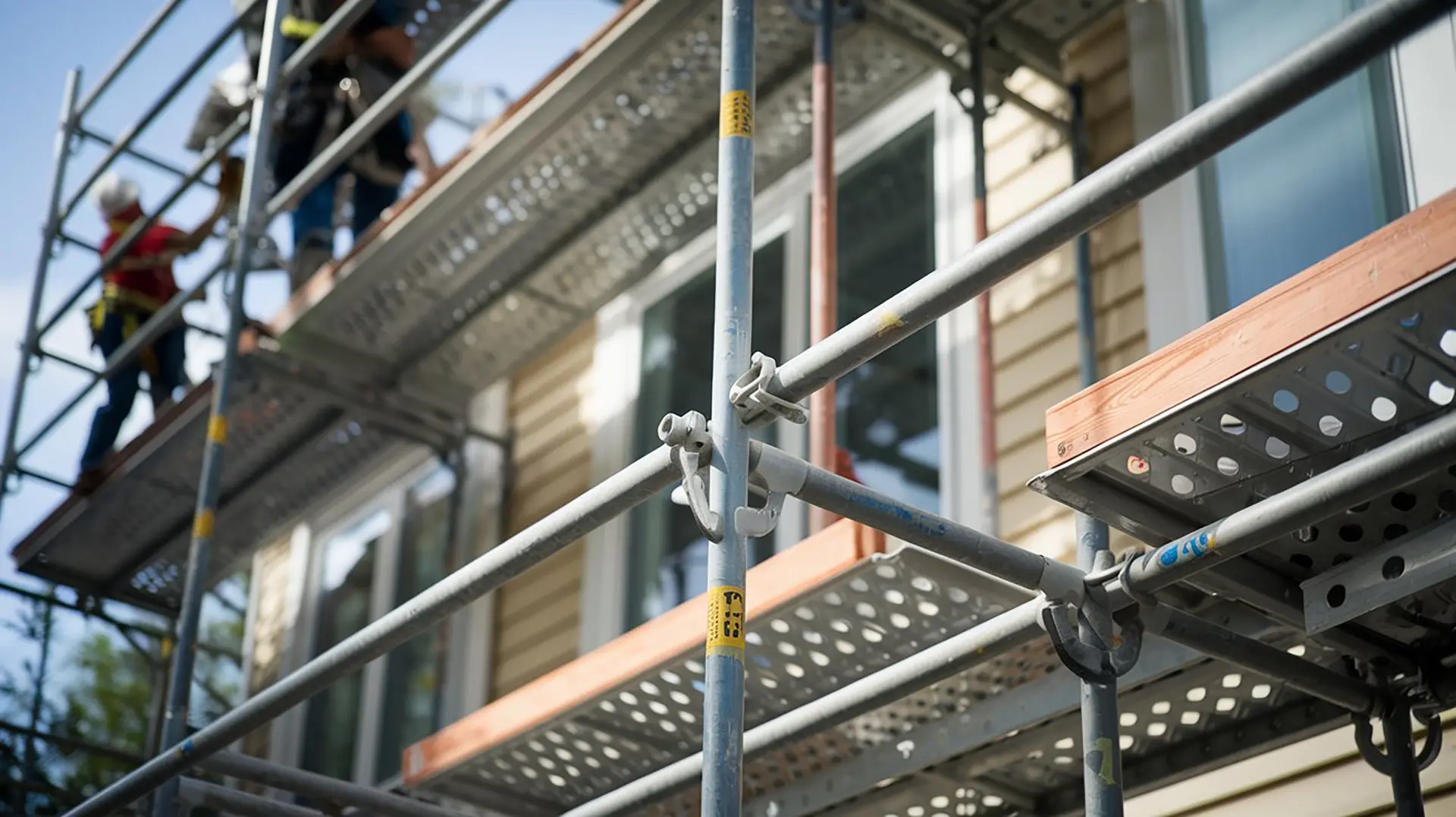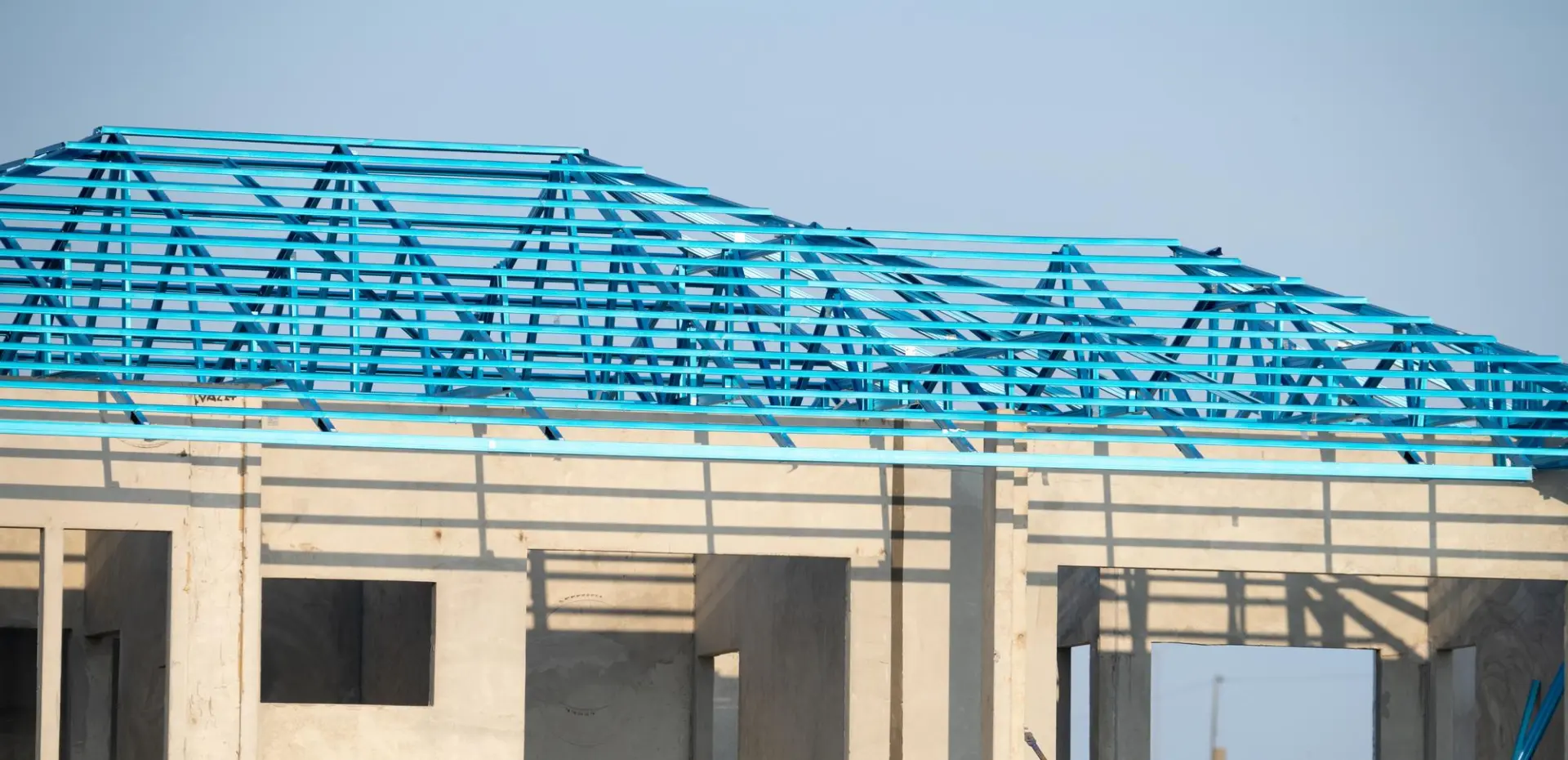
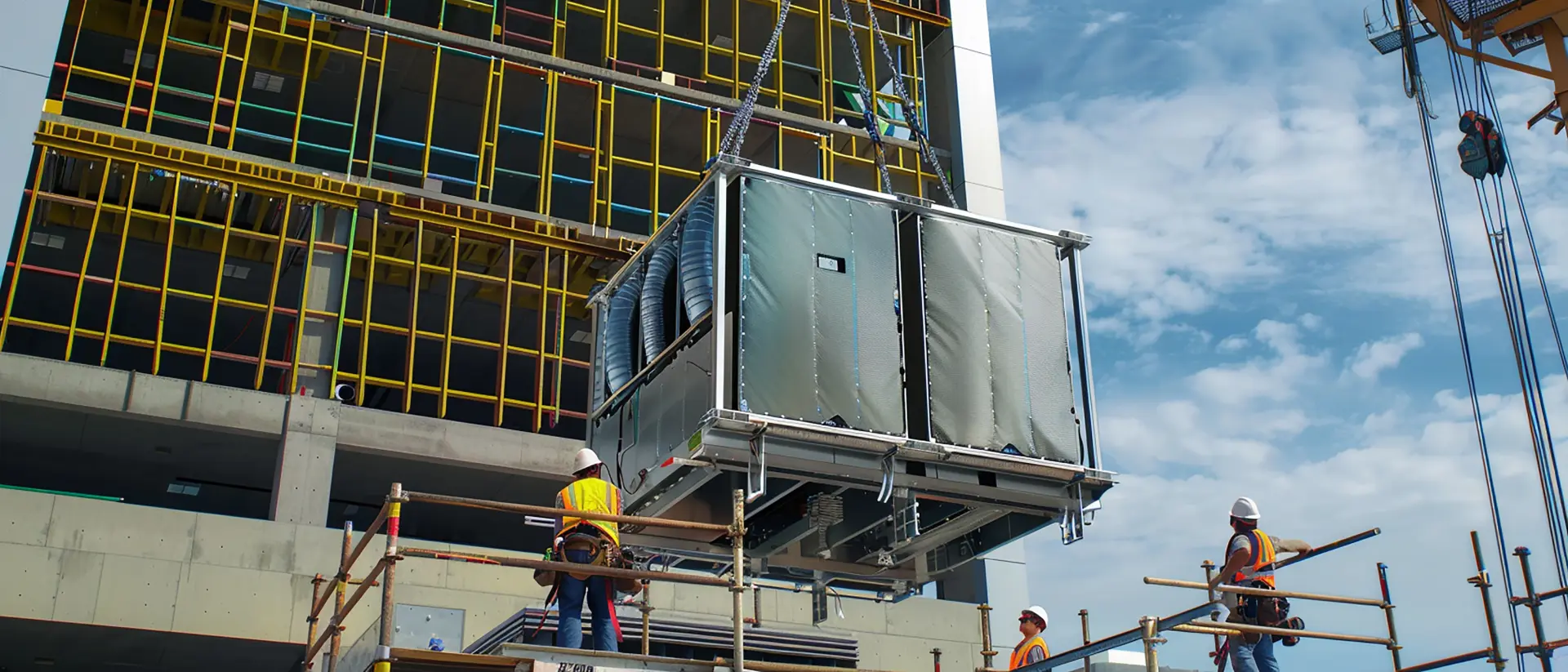
Discover key Scaffolding Safety Rules Everyone Should Know to protect workers and the public. Follow expert advice on safe setup, inspections, and fall prevention.
Only trained people should build and use scaffolding
Training gives workers the skills to put up, change and take down scaffolding safely. It teaches how to set firm bases, level platforms and fix ties. It also covers the safe lifting and placing of boards and tubes. It explains how weather and ground conditions can change the risk.
Skills include knowing safe loads, reading simple plans and spotting faults early. Workers learn how to properly secure platforms so that boards do not move at all. They can also learn how to fit guardrails and toe-boards the right way, as well as understand when an engineer must check a design.
Supervision keeps standards high from the first lift to the last. A trained lead sets the plan, explains the task and checks each stage. Short safety talks at the start of the day remind everyone what to do, and clear roles can stop guesswork and rushed choices.
Responsibility sits with every person who steps on the scaffold. Workers must not move any parts or remove rails without permission. Any damage, loose boards or missing ties should be reported at once. Unsafe areas must be closed until a trained person makes them safe.
Keep a written record of weekly inspections
Weekly checks help you catch any major problems before they hurt someone, such as a fellow worker or a pedestrian. A careful inspection should happen before the first use, after any changes, and after significantly bad weather. The person who inspects must be trained to know what to look for. The same care is needed on small jobs and large ones.
Records should always list the date, the name of the checker and the areas they inspected. Notes must say what faults were found and what action is needed. A simple tag at the access point shows if the scaffold is safe to use, and the tag should match the written record.
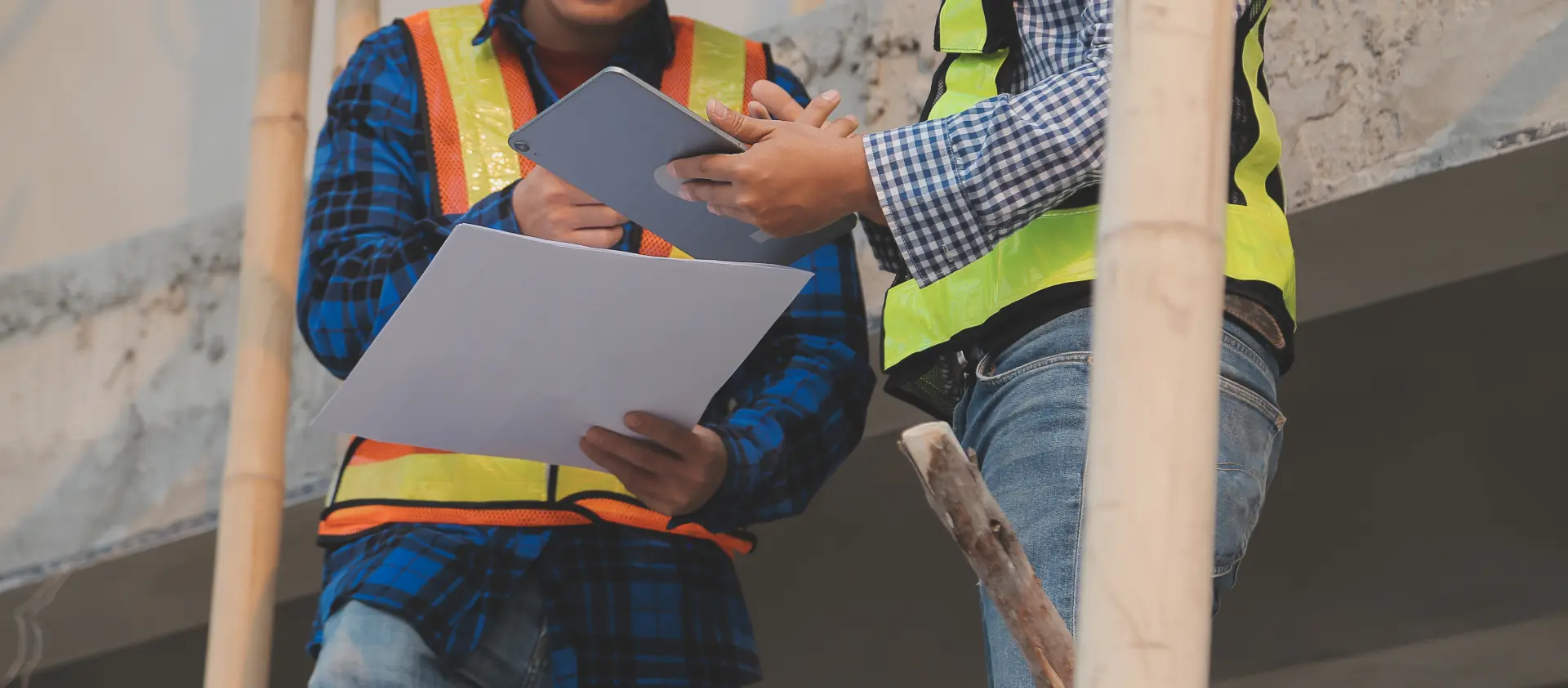
Evidence on paper or in a digital log proves the scaffold was thoroughly checked. These notes help plan repairs and order spare parts. They also help explain what happened if an incident is reviewed. Good records will save you plenty of time and avoid any repeated mistakes.
Follow up is paramount so that faults do not remain throughout the process, and all repairs must be carried out by trained scaffolders using the right parts. Barriers and signs should stay in place until the scaffold is safe again. A final check should confirm that work can commence.
Never climb without three points of contact
Three points of contact means having two hands and one foot, or two feet and one hand, on the ladder or stairs at all times. This rule keeps your body steady if you slip, and it also helps you face the right way whenever you're stepping on or off the platform. It is simple and it works!
Your hands need to be completely free, so do not carry any tools while you are climbing, but you can keep small items in a tool belt or a pouch if necessary. Larger items should always be lifted with a rope or hoist. Safe lifting helps you keep your balance and prevents any dropped objects.
Ladders must be set at a safe angle and tied so they cannot move. The base should stand on firm ground and the feet should not slip. The ladder should extend above the landing so you can hold on while stepping off. Damaged ladders need to be taken out of use because they can be incredibly dangerous.
Use fall arrest where there is a risk of a fall
Fall arrest is the last line of protection when a fall could happen. A system with a full-body harness, a connecting line, and a strong anchor can save a life. It is necessary when guardrails are not yet in place or when work is conducted outside the platform. It must only be used by trained professionals.
Harnesses must fit the user properly and be checked before they are used. Straps should lie flat and buckles must lock exactly as they were designed. Stitching and webbing should be free from cuts and wear. Any damaged kit should be removed and clearly marked as 'not for use'.
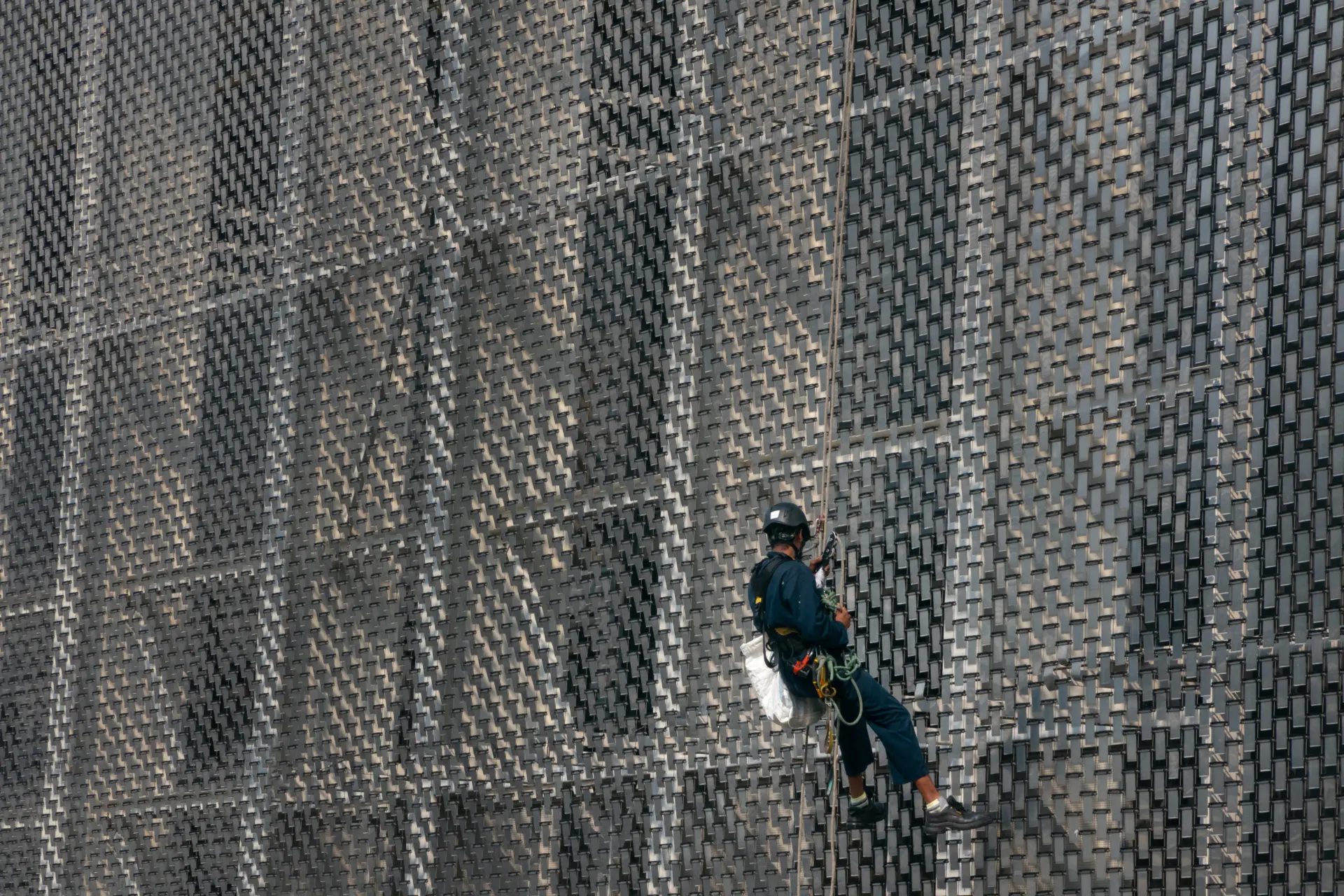
Anchors must be strong enough to hold the person if a fall occurs. The connecting line should be as short as possible and clipped to a completely secure point above the user. Use a device that eliminates the force of a fall to lower the injury risks. You must show clear anchor points in the work plan.
Rescue needs its own plan, and this so that a person is not left hanging when they are in danger. The team should know who will call for help, who they are to call, and who does what. You must also make sure that the right rescue kit is on-site and ready to use. Frequent practice makes the real thing much faster and safer.
Keep people below safe with signs and barriers
Public safety matters as much as worker safety on every site. Falling tools or materials can hurt anyone who passes below. Mark out a clear no-go zone underneath work areas, as this will keep the local people out of danger. Extra care is needed near pavements, roads and site entrances.
Barriers are good for setting a clear boundary that people should not cross. Signs help to explain the risks with quick, easy-to-read messages like 'Keep Out' and 'Overhead Work.' Lights or reflective strips are helpful at night or in low light, and having guards near busy areas can be a great way to guide people to safer routes.
Routes for walking should be planned so they do not pass under open edges. Covered walkways can protect where routes must pass close to the scaffold. Debris netting helps catch small items before they fall. Protection platforms can add a further layer of safety.
Communication keeps everyone aware of the risks as the job changes. Notices should be updated when lifts move or when loading bays open. A trained guide can stop people while loads are raised or lowered. Add simple, clear messages around the scaffolding to avoid any confusion and keep everyone safe.
We do all we can to supply you safe scaffolding systems, useful platforms and accessories for your building project. All our systems are backed by TG20:21 compliance, so you can trust that you're in safe hands. Give us a call today for Commercial Scaffolding Hire in Newcastle, Durham and Cramlington.